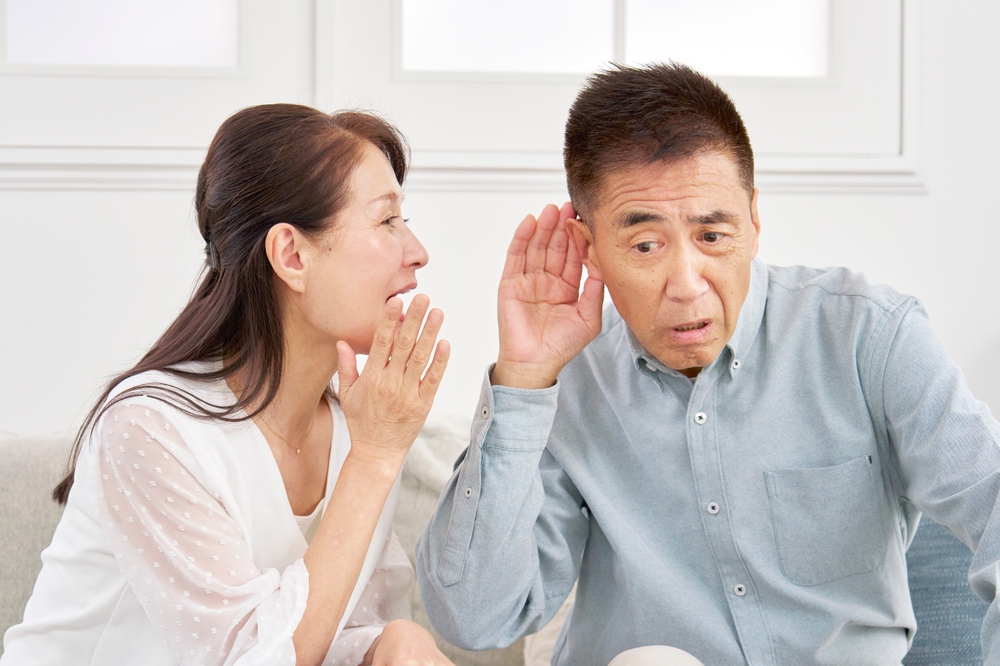
Prevalent myths regarding hearing loss frequently act as a barrier to necessary audiological treatment. Early diagnostic accuracy is essential for anyone experiencing the onset of hearing loss. Accepting hearing myths as fact typically results in late-stage intervention and diminished communicative function.
If you have concerns about your hearing, knowing the truth (and the myths!) can help you make informed decisions about your health and proceed with greater confidence. Let’s take a closer look at seven hearing loss myths that deserve to be clarified, along with the truths that put them in their place.
Myth One: Auditory Decline is Strictly Age-Related
While sensory shifts are frequent in seniors, hearing loss remains a cross-generational health concern. Hearing impairment in younger patients is frequently caused by environmental noise, genetic predisposition, or systemic illness.
Viewing hearing impairment through an age-restricted lens delays diagnosis for millions of younger individuals.
Myth: Hearing Perception Rules Out Impairment
Hearing loss doesn’t have to mean complete deafness. Patients with mid-range impairment often perceive environmental noise while losing the ability to decode complex speech. Between perfect hearing and total hearing loss is a wide spectrum of hearing challenges.
You might notice difficulty following conversations in noisy environments, frequently asking others to repeat themselves, or feeling mentally exhausted after social interactions. These are common early signs of hearing changes that should not be ignored.
Myth Three: The Misconception of Minor Impact
Ignoring hearing loss creates systemic health risks that impact the entire neurological system. Data shows that failing to treat hearing issues can lead to brain atrophy and emotional health challenges.
Seeking early treatment safeguards your social connections and your long-term neurological function.
Do Hearing Aids Damage Your Natural Hearing?
The assumption that amplification leads to “lazy ears” is contradicted by modern audiological science.
When fitted correctly, hearing aids are safe tools for auditory rehabilitation. They provide customized amplification that fills the exact deficits revealed during your professional assessment. Consistent use of hearing aids maintains the neural pathways required for clear sound interpretation.
Myth: All Hearing Aids are Bulky and Noticeable
The landscape of audiological hardware has undergone a radical digital transformation. Modern hardware has reached a peak of efficiency, offering discrete aesthetics with high-fidelity sound. Sleek “Behind-the-Ear” and “In-the-Ear” designs ensure that modern hearing help is virtually undetectable.
Modern tech includes advanced directional microphones and wireless streaming directly to the patient’s ears.
Myth Six: The Fallacy of “Wait and See” for Mild Loss
A “mild” diagnosis still carries the risk of social isolation and increased mental effort. Early treatment helps prevent listening fatigue and reduces the strain placed on the brain during conversations.
Maintaining communicative fluency is far easier when you address auditory shifts in their infancy.
Myth Seven: The Generic vs. Personalized Care Fallacy
Store-bought devices provide “blanket” amplification rather than the targeted help your ears likely need. A clinical hearing test allows an expert to program a solution specific to your biological requirements.
Individualized care ensures your device feels natural while providing crystal-clear sound quality.
Don’t Let Hearing Loss Myths Hold You Back
Feeling anxious about hearing changes is normal, but avoidance only exacerbates the underlying problem. Auditory fallacies act as roadblocks to the treatment that could change your life today. Fortunately, a modern hearing test is a non-invasive, efficient process that yields vital health data.
If you’ve noticed changes in your hearing (even subtle ones), a professional assessment is an important first step. Early intervention can improve not only communication, but also overall quality of life.
If you want to learn more about your hearing health or schedule a hearing evaluation, our team is here to help! Contact our office today to schedule your personalized hearing consultation.