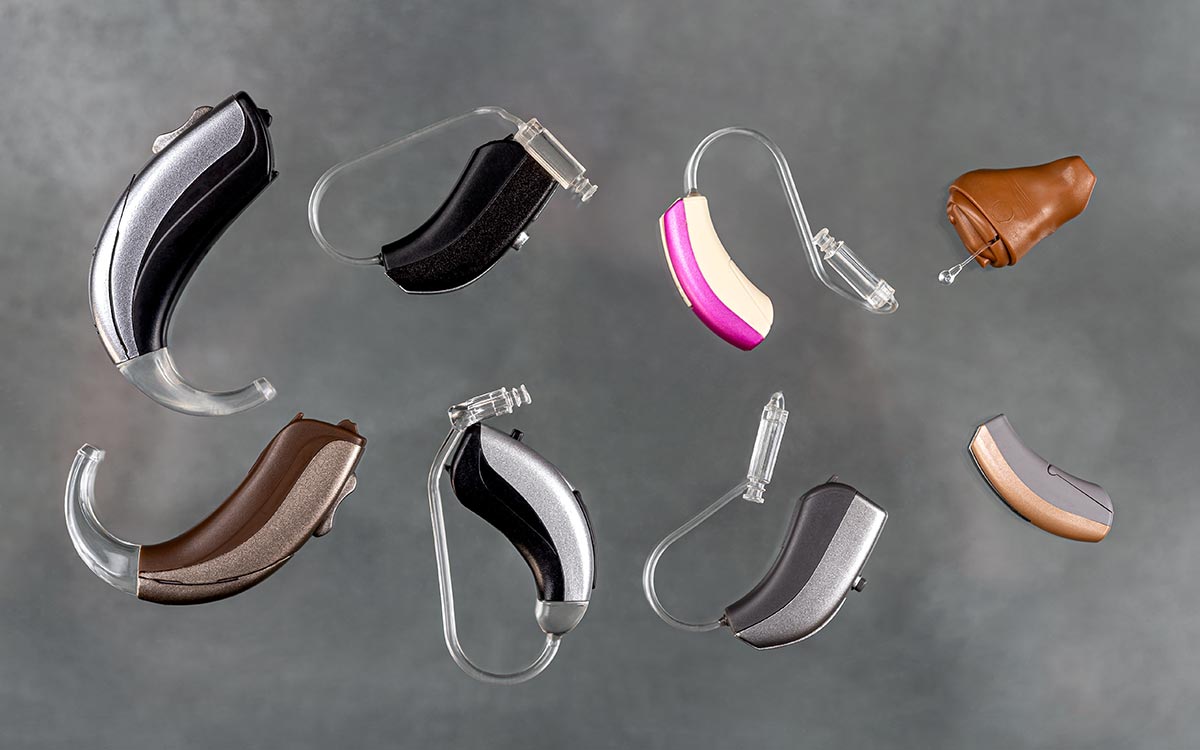
With so many choices in terms of dimensions, style, and technology, the process of picking an instrument can feel quite intense. However, an expert hearing solution exists for every person’s unique needs and daily habits. Success rests in locating the specific aid that meets your personal preferences.
Feeling positive about your selection begins with knowing how different hearing aids function and compare. We are planning to analyze the primary styles available today to help you understand what sets each option apart.
ITC (In-the-Canal) Hearing Systems
The Meaning:
A custom device is engineered to rest partially within the ear canal while showing just a small section in the outer ear area.
The Advantages:
- Provides a subtle look compared to traditional styles
- Tailored to the specific contours of your ear
- Designed to address low to mid-range hearing impairments
First-time wearers often gravitate toward ITC aids because they strike an ideal compromise between size and performance.
IIC (Invisible-in-Canal) Technology
What they represent:
IIC models are the most tiny custom-fitted hearing solutions you can choose. These devices sit so far inside the ear that they are nearly impossible to see.
Why individuals pick them:
- The best option for users prioritizing appearance
- Strategic positioning allows for a very organic listening experience
- Designed for comfort with an incredibly small footprint
IIC devices are mainly targeted at those with moderate hearing needs who want their technology to remain completely unnoticed.
In-the-Ear (ITE) Hearing Aids
What they are:
These models occupy either the complete or bottom half of the outer ear bowl. These are custom-fabricated for an exact fit based on your ear’s anatomy.
Value Offering:
- The larger size makes it possible to include more internal components and longer-lasting batteries
- The physical size is easier to grip and adjust for users with fine motor concerns
- Effective for a wide spectrum of hearing impairments, ranging from mild to severe
The all-in-one style of the ITE style makes it a favorite for those who dislike behind-the-ear equipment.
Behind-the-Ear (BTE) Hearing Aids
What they represent:
These devices sit on the external portion of the ear’s anatomy. Audio travels through a dedicated tube or custom-fit mold into the ear opening.
Reasons for Choosing:
- Regarded as one of the most reliable and robust designs available
- Work for nearly all degrees of hearing loss
- The size provides plenty of space for the latest connectivity features and rechargeable hardware
The combination of user-friendliness and strong sound makes BTE aids a top contender for many patients.
Modern RIC Models
Component Structure:
While they match BTE units, RIC aids set the speaker directly in the canal for better sound delivery.
Market Appeal:
- Highly natural sound quality
- The ultra-thin design is equally light and nearly effortless to wear
- Flexible enough to treat an extensive number of hearing impairments
RIC devices are one of today’s most popular styles, thanks to their blend of comfort, aesthetics, and performance.
Understanding Long-Term Systems
Usage Summary:
Extended-wear models are fixed devices that a professional fits into the ear for a duration of several weeks.
Why individuals choose them:
- Perfect for users who want to bypass the routine of handling hearing aids daily
- Offers a 100% discreet solution for hearing health
- Engineered to be worn throughout everyday activities, including sleeping and exercising
Extended-wear devices are ideal for patients who want an effortless approach.
Bluetooth-Enabled Hearing Aids
What they are:
Connectivity-focused hearing aids that use Bluetooth to integrate with your digital life.
Digital Advantages:
- Allows for sharp voice calls and media streamed directly to the device
- Provides an unobtrusive method to manage your hearing environment from your mobile screen
- Provides the ultimate in convenience for those who use smartphones regularly
You can locate Bluetooth capabilities built into a variety of form factors, from RIC and BTE to custom ITC designs.
Surgically Placed Middle-Ear Systems
Procedure Info:
A surgically implanted device that directly vibrates the middle ear bones to amplify sound.
Medical Motivations:
- Option for those who cannot use traditional hearing aids
- Solves the issue of ear discomfort caused by regular hearing aids
Middle-ear implants are typically recommended only after a full evaluation by a hearing specialist.
Selecting Your Ideal Auditory Option
There is no single “best” hearing aid; rather, there is an optimal one for you, determined by your medical needs and personal comfort. By consulting a specialist, you can investigate various models and see which one feels most natural to you.
If you’re ready to investigate the possibilities, schedule an auditory evaluation today. It’s an excellent first step toward better hearing and more confident communication every day.
Sources:
https://www.mayoclinic.org/diseases-conditions/hearing-loss/in-depth/hearing-aids/art-
20044116
https://www.hearinglife.com/hearing-aids/types
https://www.nidcd.nih.gov/health/hearing-aids