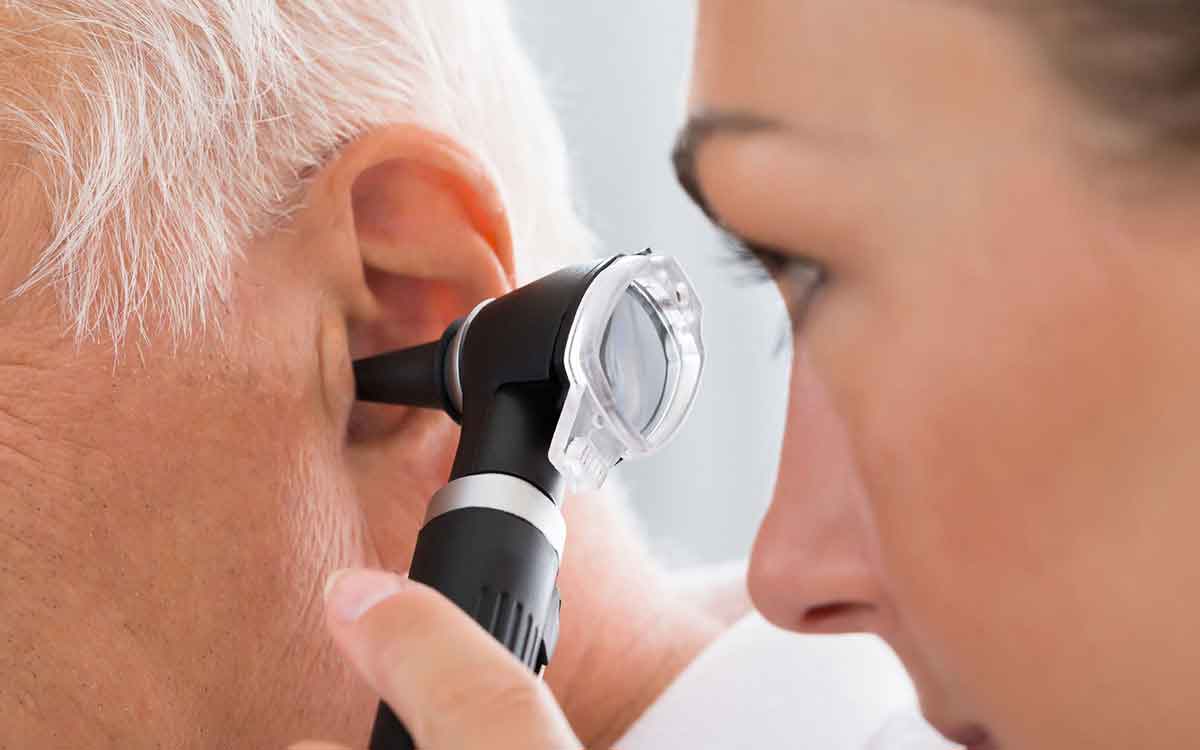
Auditory decline frequently manifests as an incremental process, which often results in the condition being missed during its initial onset. It is common for people to adjust to hearing shifts by elevating device volume and steering clear of gatherings with significant background noise.
Nevertheless, recognizing the early symptoms of auditory impairment remains critical for long-term health.
Primary Signs of Developing Hearing Impairment
If you observe any of the following symptoms, it may be time to schedule a professional evaluation.
- Impaired speech discrimination during dialogue in loud or crowded environments.
- Frequently asking people to repeat themselves.
- Hearing muffled or slurred speech where words appear to merge.
- Turning up the volume on the TV, phone, or radio to levels that others find excessive.
- Reduced sensitivity to high-pitched stimuli such as bird songs or doorbells.
- Persistent ear ringing or humming characteristic of tinnitus.
- Feeling mentally exhausted after social interactions, due to the strain of auditory processing.
- Retreating from group interactions as conversational tracking becomes difficult.
These early signs of hearing loss may impact either ear and may come and go at first. Since the auditory cortex adjusts to input shifts, compensatory behaviors often go unnoticed until clinical hearing loss is substantial.
Understanding Hearing Impairment Through Data
Projection by the World Health Organization indicates that over 700 million individuals will need auditory rehabilitation by mid-century. Other noteworthy statistics include:
- By 2050, nearly 2.5 billion people are expected to have various levels of hearing loss.
- Over 5% of the world’s population (430 million people) necessitates rehabilitation to address significant hearing loss.
- More than 1 billion younger individuals are at risk of permanent hearing loss caused by hazardous acoustic habits.
- Among those aged 60 and older, more than one-quarter have clinically significant hearing loss.
Why Early Detection is Key
Untreated hearing loss may influence your overall health in manners that are often underestimated.
There is a documented link between ignored hearing loss and social challenges, such as isolation and depression.
Early intervention provides better long-term prognosis and diverse therapeutic options.
An evaluation differentiates between age-related decline, earwax buildup, or other health conditions.
Certain hearing variations remain temporary and can be addressed via clinical treatment.
Alternatively, timely adoption of hearing devices or protective strategies can slow progression.
When to See a Hearing Specialist
A professional screening is recommended if you experience the following:
- Early signs last longer than a few weeks.
- Hearing difficulties disrupt work, relationships, or daily activities.
- Instances of acute hearing loss, dizziness, or persistent ringing require urgent clinical attention.
Audiological evaluations are comfortable and safe, yielding deep insights regarding your physiological hearing status.
Reach out to our hearing clinic today if you believe you would find value in a hearing screening.
FAQ: Early Signs of Hearing Loss
Question: Is aging the sole cause of hearing impairment?
Answer: Not necessarily. Although presbycusis is prevalent, auditory shifts can stem from noise trauma, ototoxic drugs, or genetic factors.
Q: Can auditory impairment be clinically reversed?
A: In specific instances involving earwax or infection, hearing may be restored. While other forms are irreversible, they can usually be managed with professional treatment or hearing technology.
Q: How often should hearing be checked?
A: A baseline screening is advised by age 50, or sooner if clinical symptoms manifest.