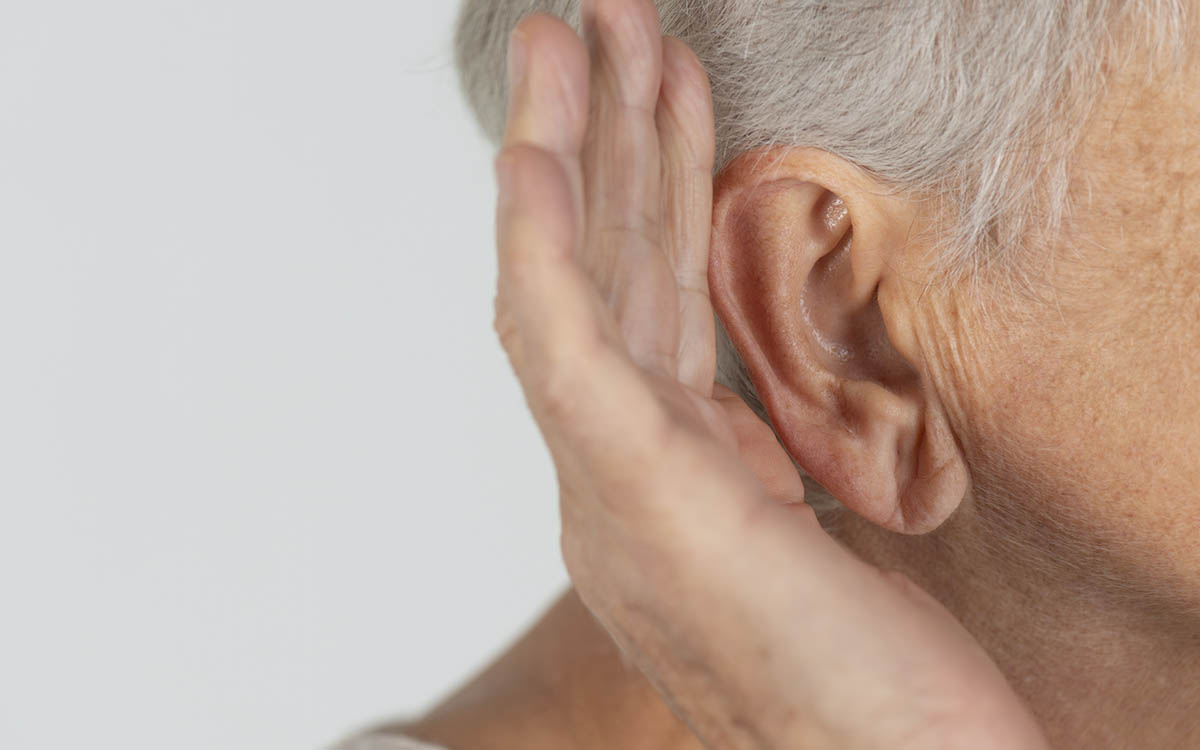
Public perception frequently ties hearing loss to senescence, however, for millions in the U.S., physiological damage begins at a younger age. Among the most frequent and preventable categories of auditory damage, noise-induced hearing loss frequently develops incrementally, advancing subtly and remaining undiagnosed until the clinical effects are permanent.
Grasping the longitudinal impact of sound exposure on the auditory system allows for preventative measures before substantial hearing loss manifests.
Defining Noise-Induced Hearing Loss?
The pathology of noise-induced hearing loss involves trauma to the sensitive anatomical structures within the inner ear. Data from the CDC indicate that, acoustic levels surpassing 85 decibels can induce ear damage following repeated or lengthy exposure. Louder sounds, like those from concerts, power tools, or firearms, can cause damage in minutes or even seconds.
Within the cochlea are specialized sensory structures referred to as hair cells. These receptors facilitate the conversion of acoustic vibrations into electrical signals decoded by the brain. The inability of hair cells to regenerate after trauma explains why noise-induced hearing loss results in a permanent auditory deficit.
Analyzing the Accumulation of Ear Damage
It is clinically significant that noise-induced hearing loss often manifests through a slow, cumulative process. Initial clinical indicators of sound-induced trauma may involve:
- Short-term episodes of Tinnitus or buzzing within the ears
- Post-exposure auditory dullness or perceived muffling of sound
- Reduced ability to distinguish vocal communication in loud surroundings
These early warning signs may fade, leading people to assume their hearing has “recovered”. In reality, repeated noise exposure continues to injure inner-ear structures, leading to a progressive decline in hearing resolution.
The hearing loss Association of America estimates that 48 million individuals in the US suffer from hearing loss, frequently with unidentified etiology.
Everyday Sounds Linked to Auditory Injury
The prevalence of loud sounds in daily life often results in a dangerous desensitization to harmful noise levels. Due to this, the commonality of injurious sound exposure often goes unrecognized.
Commonly encountered risks include:
- Venues featuring high-decibel live music
- The use of headphones at unsafe volume settings
- Industrial tools, lawn maintenance equipment, and motorcycles
- Workplace noise in construction, manufacturing, or warehouses
Due to the routine nature of these sounds, auditory injury may accrue in the absence of overt symptoms.
Why Proactive Safeguards Are So Important
Unlike other health conditions, noise-induced hearing loss cannot be reversed. Nevertheless, it remains a highly avoidable pathology. Simple protective habits can significantly reduce risk, including:
- Using earplugs or noise-reducing earmuffs in loud environments
- Reducing personal audio volume and adhering to the 60/60 safety guideline
- Incorporating auditory rest periods to allow for physiological recovery
- Scheduling regular hearing evaluations if you’re frequently exposed to loud noise
Indications for Clinical Auditory Assessment
Patients observing ongoing Tinnitus, challenges in conversation, or shifts in auditory acuity should contact an Audiologist. Prompt clinical evaluation is vital for tracking auditory status and formulating effective hearing preservation plans.
Protecting your ears today helps ensure clearer hearing tomorrow. While environmental noise is often inevitable, hearing loss is a preventable outcome. We invite you to schedule an appointment with our team to optimize your hearing function.